


Home Remedies for Tooth Cavities

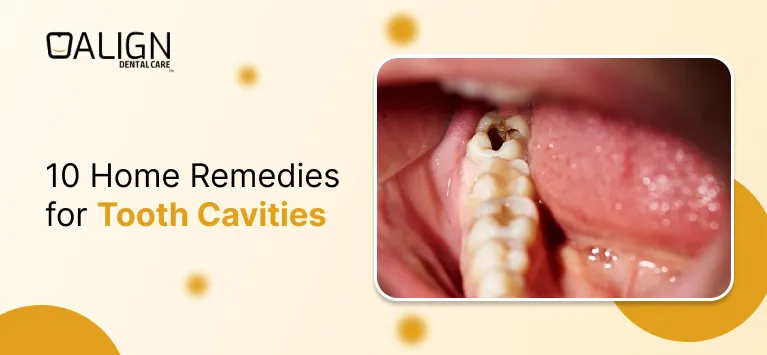
10 Home Remedies for Tooth Cavities

January 10th,2025

Tooth cavities, often resulting from tooth decay, are common dental issues that can cause discomfort and long-term damage if left untreated. While professional dental care is crucial for severe cavities, several natural remedies can help alleviate symptoms and slow down the progression of decay. Below are 10 effective home remedies to manage tooth cavities, written in a simple and easy-to-understand manner.

Home Remedies For Tooth Cavities

1. Saltwater Rinse

salt water rinse for tooth cavities

A saltwater rinse is one of the simplest ways to reduce pain and prevent further infection in a decayed tooth. Salt acts as an antibacterial agent and helps soothe inflamed gums.

  • How to use: Mix half a teaspoon of salt in warm water, swish it around your mouth for 30 seconds, and spit it out.
  • Benefits: Reduces bacteria, relieves pain, and prevents further cavity infection.

2. Clove Oil

clove oil for tooth cavities

Clove oil is a powerful natural remedy for toothache caused by cavities due to its antiseptic and pain-relieving properties.

  • How to use: Apply a small amount of clove oil directly to the cavity using a cotton swab. Repeat this 2-3 times daily.
  • Benefits: Helps treat a tooth cavity at home by reducing pain and inflammation.

3. Oil Pulling

oil pulling for tooth cavities

Oil pulling is an ancient practice that involves swishing oil in your mouth to reduce harmful bacteria and promote oral health.

  • How to use: Take a tablespoon of coconut oil or sesame oil, swish it in your mouth for 15-20 minutes, and spit it out. Rinse your mouth with warm water afterward.
  • Benefits: Helps remove toxins and bacteria, acting as a home remedy for cavity removal.

4. Baking Soda Paste

Baking Soda Paste for tooth cavities

Baking soda is an effective remedy to neutralize acids in the mouth and combat tooth decay.

  • How to use: Mix baking soda with a small amount of water to form a paste. Apply it to the affected tooth and gently brush for 1-2 minutes before rinsing.
  • Benefits: Assists in removing tooth decay and keeping cavities under control.

5. Garlic

Garlic for tooth cavities

Garlic has strong antibacterial properties that can help combat cavity-causing bacteria and relieve pain.

  • How to use: Crush a garlic clove to make a paste, apply it directly to the cavity, and let it sit for a few minutes. Rinse your mouth thoroughly afterward.
  • Benefits: Reduces bacteria and serves as an effective toothache decay treatment.

6. Aloe Vera Gel

aleo vera for tooth cavities

Aloe vera contains antibacterial compounds that can fight cavity-causing germs and soothe irritated gums.

  • How to use: Apply pure aloe vera gel to the cavity or affected area and leave it for a few minutes before rinsing.
  • Benefits: Provides relief from pain and works as a treatment for tooth decay.

7. Neem Leaves

neem leaves for tooth cavities

Neem is known for its antibacterial and anti-inflammatory properties, making it a traditional remedy for oral health.

  • How to use: Chew on fresh neem leaves or use neem oil as a mouthwash to prevent tooth decay and cavities.
  • Benefits: Helps in the treatment of tooth cavities and improves overall dental health.

8. Turmeric Paste

Turmeric  for tooth cavities

Turmeric is another powerful anti-inflammatory agent that can help soothe toothache and reduce bacterial growth.

  • How to use: Mix turmeric powder with water or coconut oil to form a paste. Apply it to the affected tooth, let it sit for 5-10 minutes, and rinse thoroughly.
  • Benefits: A natural way to fix a hole in a tooth naturally.

9. Green Tea

green tea for tooth cavities

Green tea contains antioxidants that help reduce bacteria and inflammation in the mouth.

  • How to use: Brew a cup of unsweetened green tea, let it cool, and use it as a mouth rinse twice daily.
  • Benefits: Acts as a home remedy to remove tooth decay and improve oral health.

10. Hydrogen Peroxide Rinse

Hydrogen Peroxide Rinse for tooth cavities

Hydrogen peroxide can help kill bacteria and reduce plaque buildup, which contributes to cavities.

  • How to use: Mix equal parts of 3% hydrogen peroxide and water. Swish it around your mouth for 30 seconds and spit it out. Rinse your mouth with water afterward.
  • Benefits: Provides a simple treatment for cavities and helps prevent further decay.

Additional Tips for Preventing Tooth Cavities

  • Practice Good Oral Hygiene: Brush twice daily with fluoride toothpaste and use interdental brushes to clean between teeth.
  • Avoid Sugary Foods and Drinks: Limit your intake of sweets and sodas to reduce cavity risks.
  • Stay Hydrated: Drinking water helps wash away food particles and maintain saliva production.
  • Visit Your Dentist Regularly: Professional cleanings and checkups are crucial for detecting and treating cavities early.

Final Thoughts

While these home remedies for cavity removal can provide temporary relief and slow down the progression of decay, they are not a replacement for professional dental care. If you experience severe pain or notice worsening symptoms, consult a dentist immediately. Combining these natural methods with good oral hygiene practices is the best way to get rid of cavities and maintain healthy teeth.

By following these remedies and tips, you can take control of your dental health and minimize the discomfort caused by cavities.

How to Stop Cavities?

September 13th,2024

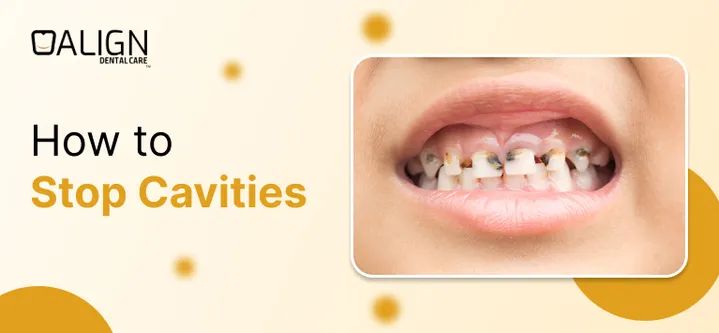
Cavities, or tooth decay, is another rare dental illness with which many people, including children, often struggle. They exist when bacteria invade the outermost layer of the teeth, known as the enamel, and bring about caries. Further, they include cavities, toothaches, and, in the worst-case scenario, the complications that may result from an infection. However, cavities can be prevented from forming or getting worse as long as some habits are incorporated and proper care is taken. In this blog, we will guide you through how to prevent cavities within the simplest, most actionable steps to put into practice. From instructions for prevention to techniques for preventing a small cavity from spreading, it has all the necessary information.

Understanding Cavities: What Are They?

Cavities are dental caries, or simply the holes in the teeth that result from the bacteria. If food remained on the teeth for some period, it changed into acid if it contained sugar or starch. This acid corrodes the enamel and wears it out to allow the formation of cavities on the surface of the teeth. As a result, they cause pain and infections, and in severe cases, you may end up losing your teeth.

Cavities: How Do They Develop?

The formation of cavities comprises three phases, which are:

  • Plaque Formation: Plaque is another layer that forms on the surfaces of your teeth. It develops into a hard, firm layer of bacteria.
  • Acid Production: Whenever you take foods that are rich in sugar or starch, the bacteria that form plaque will release acids.
  • Enamel Damage: The acid dissolves and subdues your tooth enamel, and when it does that, it leaves holes, or what we refer to as cavities.

As for how cavities form, well knowing that can help prevent them fairly easily by changing some daily routines.

Ways to Stop Cavities from Forming

It is often said that an ounce of prevention is worth a pound of cure, and this cannot be truer than in the case of cavity diseases. The following are many simple yet effective ways to stop cavities from developing:

  1. Brush Your Teeth Regularly

Nevertheless, one of the simplest ways of avoiding cavities is brushing your teeth. Brush your teeth for a recommended 2 times a day, after waking up in the morning and before going to bed.

  • Use Fluoride Toothpaste: Fluoride helps build up the enamel and ward off bacteria.
  • Brush for Two Minutes: It is recommended that you should spend not less than two minutes brushing your teeth to cover every part of the mouth.
  • Replace Your Toothbrush Regularly: Replace your toothbrush every three months or when the bristles are non-functional.

Brushing your teeth helps to remove food particles as well as bacteria. In turn, it minimizes the chances of the formation of plaque as well as cavities.

  1. Floss Daily

This is a very common technique that is usually considered a minor procedure, but without flossing, one can develop cavities. It also assists in cleaning those regions in between your teeth that a brush cannot reach.

  • Reach Tight Spaces: This is because flossing makes it easier to eliminate plaque and food particles that may have been left in between the teeth.
  • Prevent Gum Disease: It is worth noting that daily flossing will help you avoid gum diseases that may also lead to tooth decay.

Adopt the culture of flossing your teeth regularly so that you can keep cavities from attacking your teeth.

Healthy Eating Habits to Stop Cavities

Every meal you take plays a crucial role, especially in the health of your teeth. Some foods cause tooth decay, and others promote oral health. Here they are:

  1. Limit Sugary & Acidic Foods

Consumption of foods that are high in sugar and acid is a leading cause of tooth decay. These create conditions in which bacteria generate acid, which negatively impacts the enamel of the teeth.

  • Watch Out for Sugary Drinks: Sweetened beverages such as soda, sports drinks, and even fruit juices contain a lot of sugar.
  • Avoid Sugary Snacks: These include sweets such as candies, cakes, and cookies since they are rich sources of sugar and can lead to tooth decay.
  • Limit Acidic Foods: Oranges, lemons, citrus fruits, vinegar, and other foods can cause damage to the enamel if consumed frequently.

To prevent cavities, reduce the intake of sugary and acidic foods in order not to encourage the formation of cavities.

  1. Eat Calcium-Rich Foods

Teeth are some of the key requirements needed in the human body, and calcium is important as it strengthens teeth. It also means that you can strengthen the tooth enamel and prevent cavities if you introduce calcium-containing varieties into your diet.

  • Dairy Products: Calcium-rich foods include milk, cheese, and yogurt.
  • Leafy Greens: Spinach and kale also contain a medium quantity of calcium in them.

Consuming such foods increases the density of teeth, thus making them harder to wear out by decay.

Dental Hygiene Practices for Cavity Prevention

Aside from brushing and flossing, below are a few more habits that can help you stop cavities in their tracks:

  1. Use Mouthwash

Mouthwash is useful for areas that the toothbrush and dental floss could not reach in some cases. It helps remove leftover food and bacteria.

  • Choose a Fluoride Mouthwash: The fluoride gels aid in the rebuilding of the protective enamel surface of your teeth as well as offer protection from cavities.
  • Rinse After Eating: Use mouthwash after a meal to prevent bacteria from sticking to the teeth.

Utilizing mouthwash can also be a part of the daily dental routine and helps to protect the teeth even more.

  1. Chew Sugar-Free Gum

If you chew sugar-free gum, the flow of saliva is likely to increase, thereby lowering the chances of cavities forming. Saliva aids in rinsing off the food particles out of your mouth and acting as a buffer to the acid in your mouth.

  • Look for Xylitol Gum: Xylitol, on the other hand, is a naturally occurring sweetener that has proven to lower bacterial content in the mouth.
  • Chew After Meals: For those times when you are unable to brush your teeth, chewing gum after meals will suffice for the cleaning function.

One of the simplest ways to maintain our teeth in good health during the day is by chewing sugarless gum.

  1. Regular Dental Checkups

To practice good dental hygiene, you need to see a dentist. Tooth scaling and polishings can also find cavities, and before they progress any further, professional treatment can be sought.

  • Clean Every Six Months: Anyone who wants to clean their teeth and avoid cavities and other dental problems should go for a dental cleaning at least twice per year.
  • Early Detection: In particular, small cavities are visible to dentists or can be diagnosed early enough before developing into severe ones.

Cavity prevention and hygiene maintenance call for regular dental visits to a dentist.

Treating Small Cavities Early

If you have a small cavity, you should treat it immediately to avoid developing a big one. The ways are:

  1. Fluoride Treatments

While in the initial form, little cavities do not seem to be a major problem. How? Fluoride treatment may help to remineralize the affected enamel.

  • Topical Application: Your dentist may paint a fluoride varnish or gel on the affected tooth, too.
  • Regular Use: Dental fluorides and good use of toothpaste and even mouthwash can also act to slow the process.

Early identification of cavities will help one avoid getting worse, such that they require extensive treatment methods.

  1. Dental Sealants

Dental sealants are coatings that the dentists paint on the pits and grooves of the back teeth. Specifically, they work as a shield against bacteria and acid.

  • Preventative Measure: Most people advise using sealants on children, but adults can be helped by the sealants as well.
  • Long-Lasting Protection: Sealants can last several years before one needs another treatment, and all this while they protect the teeth from cavities.

It can be used as a recommendation for people looking to prevent cavities with the use of sealants.

Final Thoughts

Prevention of cavities on the teeth is much better than seeking a remedy for them when they are formed on the teeth. With regular hygienic practice, a proper diet, and routine checkups with the dentist, you will be able to prevent tooth decay and cavities. Prevention, they say, is always better than cure, especially as it relates to our dental health. If you follow these measures, your teeth will remain healthy. Plus, you’ll never have to endure the pain of aching teeth and sensitivity to cold food and drinks—for the rest of your life!


clove oil in bottle

Dental health benefits of clove oil

February 21st,2020

From the ancient periods, clove has been used as a natural remedy to treat various dental problems. People do not see whether it is raw clove or oil, but they continuously believe in the medicinal benefits of this spice plant to treat cavities, infection, toothache and other oral problems.

When you read those ingredients present in toothpaste or mouthwash, you should have noticed this clove oil, because it is the main ingredient, which shows its strength and benefits in oral health.

Those who think to treat their dental problem in an herbal and natural way, clove oil is an excellent option for enhancing your health of teeth and gums.

When you think of your childhood days, your grandmother would have told you to bite and hold clove where there is an ache in a tooth. Yes, our ancient people followed this technique to get rid of toothache. Here are some of the major benefits of clove oil for dental health

Clove oil for toothache

As said above, if someone has a toothache in our home, the first remedy we suggest is to keep a clove in the area where there is a toothache. Unbelievably, it will relieve some sort of pain. Dentists recommend clove oil instead of clove to save the healthy tissues in the mouth from damage.

Therefore, whenever if pain arises, take clove oil and apply a drop in the pain area, as it will relieve the pain. However, if the pain still exists, consult the dentist as soon as possible.

Clove oil for cavity

Clove oil is still used by many people to fight cavities. This remedy is very useful and effective against cavities caused by infected teeth or bacteria. Due to its anti-inflammatory and anti-bacterial properties, they can treat various oral care problems.

To eliminate cavities apply a few drops of oil in the affected area before going to sleep. For amazing results, try this for a week every night. Use a cotton ball to dip the oil instead of using fingers.

Clove oil for mouth ulcers

Mouth ulcers are one of the common problems that should be treated as soon as possible to avoid any severe pain in the future. Here too the benefit of clove oil plays a major role in curing this problem.

This is simple, take a few drops of clove oil and mix it with warm water. Now put this mixture in your mouth and gargle thoroughly.

Due to the anti-bacterial and anti-inflammatory properties of clove oil, it kills germs in the mouth and brings relief.

Clove oil for bad breath

Bad breath occurs due to the accumulation of germs and bacteria in the mouth. If you feel any bad odor in your mouth, you can believe clove oil due to its anti-bacterial properties to get immediate relief.

To eliminate bad breath, take clove oil, stevia extracts, and peppermint essential oil, mix all these ingredients and store it in a spray bottle. Whenever you feel the bad breath in your mouth, simply spray this mixture in your mouth to get relief from bad breath.

Clove oil for teething babies

Whenever new teeth emerge in babies, it causes pain to them. Gums become swollen and cause discomfort to them. This problem often disturbs their sleep and makes them cry. You can trust the properties of clove oil here, and it helps a lot in this condition.

If your baby is teething, take a few drops of clove oil and dilute them with water. Then apply the diluted oil in the baby’s gum. This relieves their pain and makes them sleep well.

Clove oil is one of the best natural remedies to cure any oral problems. However, you should brush and floss your teeth regularly and it is highly recommended to visit your dentist twice a year to maintain the best oral hygiene.


man with tooth decay

Tips to prevent tooth decay from spreading

February 14th,2020

Getting a sudden unbearable pain when you bite something?


Or seeing a dark spot on your gum line when you brush your teeth?


These are the worst feeling ever, and these are all the signs of a cavity that needs the attention of your dentist.


Tooth decay or a cavity is a permanently damaged portion of your tooth that has changed into an opening or hole in your enamel. The main reason for this tooth decay is plaque, a bacterial film that continuously grows on your teeth.


These bacteria produce acids that can wear off the surface of the tooth. A cavity forms once the wear reaches the dentin layer underneath the enamel.

Ways to prevent the spread of tooth decay

Mostly tooth decay is not noticeable. To say in other words, tooth decay is often not visible to our eyes during its early stages. This is the reason why regular dental checkups are necessary.


If you go to checkups regularly, your dentist can take X-rays of your mouth and examine your teeth to ensure that your teeth are healthy. This is the first and best method to prevent any decay.


It is not possible to restore your teeth to its original stage if the cavity occurs. If you see a cavity or sign of cavity in your teeth, consult your dentist immediately and get an appointment.


Even if you brush and floss your teeth regularly, it is not possible to stop decay from spreading. That is why visiting your dentist is important, and he can help you with a simple dental filling.


Getting a dental filling is generally painless and simple. First, the area where the tooth is affected is removed, and then the infected space is cleaned. Then using a restorative material, space is filled. This restorative material is a composite resin made from a tooth-colored material. So generally, no one can notice it.

What happens if you do not bother about decay?

As said above, tooth decay is not visible to eyes in its early stages. A tiny cavity does not take much time to convert into a dental emergency.


If the decay develops through the tooth, then the bacteria can enter into the pulp deeply where the roots, nerves, and the dental pulp are situated, resulting in an abscess, which is both painful and dangerous. It weakens your tooth and results in a crack or break.


A dental filling is not possible to repair your teeth if it is abscessed or cracked. A root canal or a tooth extraction is the next process to repair your teeth.

Prevention method before it starts

Preventing tooth decay before it starts is the best thing to be done. Here are some of the ways to prevent tooth decay.

Drink more water

Water is the best friend to your body, where it enhances both your physical health as well as dental health. It washes away food particles that stick on your teeth, which is the main reason for the formation of plaques. Water also enables the secretion of saliva, which protects your teeth from the formation of plaque.

Limit sugar

While water is the best friend of your teeth, sugar is just opposite to it. It feeds the bacteria responsible for tooth decay. Soda, sugared gum, hard or sticky candies are the worst foods that spoil your dental health.

Follow good dental habits

You would have already known this, Brush twice a day and floss at least once a day. This is your first thing to prevent tartar build-up, plaque, and tooth decay. Always use a soft-bristled toothbrush and follow proper brushing techniques.

Visit your dentist regularly

As already said above, visit your dentist regularly. It is recommended to visit your dentist twice a year. Apart from following good oral habits, visiting your dentist is also important and it keeps you away from various dental problems and saves your money in the future.