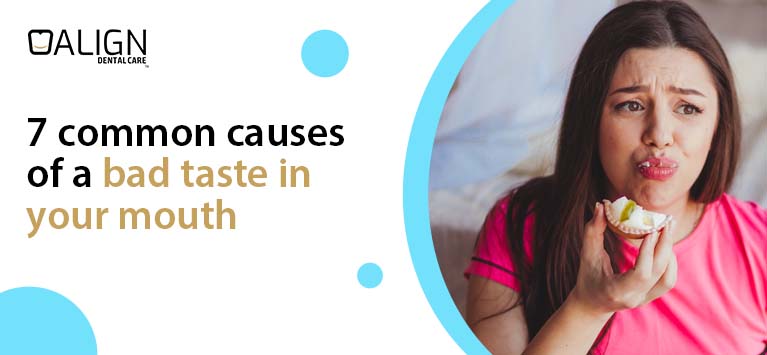
Bad Breath Even After Brushing? Here’s What Dentists Say
Brushing your teeth regularly maybe even twice a day but still noticing that your breath isn’t fresh can be frustrating. If this sounds familiar, you’re definitely not alone. Many people face this problem, and it can sometimes feel confusing or even a bit embarrassing in daily life.
Bad breath, also known as Halitosis, isn’t always caused by poor brushing habits. In fact, dentists often point out that there are several other reasons why bad breath can continue even after you’ve cleaned your teeth properly.
The good news is that most of these causes are easy to understand and manageable once you know what’s really behind them. Let’s take a closer look in a simple and clear way.
Table of Contents
Common Reasons for Bad Breath Even After Brushing
1. You’re Not Cleaning Your Tongue
Most people focus only on their teeth and forget about their tongue. But the tongue can hold a lot of bacteria, especially at the back. These bacteria produce a bad smell.
Cleaning your tongue daily can really help. You can use a tongue cleaner or gently brush your tongue with your toothbrush.
2. Food Is Stuck Between Your Teeth
Even with proper brushing, small bits of food can remain trapped between your teeth. As they start to break down, they can lead to an unpleasant smell.
That’s why dentists recommend flossing regularly—it helps remove what your toothbrush can’t reach and keeps your mouth cleaner overall.
3. Gum Problems
Bad breath can also be a sign of gum issues like Gingivitis. When gums are not healthy, bacteria build up and create an unpleasant smell.
If your gums bleed when brushing or look swollen, it’s better to get them checked.
4. Dry Mouth
Your mouth needs saliva to stay clean. Saliva helps wash away food and bacteria. When your mouth is dry (called Xerostomia), bad breath can develop easily.
Common Causes of Dry Mouth:
- Don’t drink enough water
- Breathe through your mouth
- Take certain medicines
Drinking more water and staying hydrated can help.
5. Strong-Smelling Foods
Foods like onion, garlic, and spicy dishes can cause bad breath that doesn’t go away quickly. Even after brushing, the smell can stay because it enters your bloodstream and comes out through your breath.
Rinsing your mouth after eating and drinking water can reduce this.
6. Brushing Alone Is Not Enough
Brushing is important, but it’s only one part of oral care. If you skip flossing or don’t clean your tongue, bacteria will still remain.
A Simple Oral Care Routine:
- Brushing twice a day
- Flossing once a day
- Cleaning your tongue
7. Hidden Dental Issues
Sometimes, bad breath is a symptom of underlying dental problems such as cavities, infections, or impacted teeth. These conditions create spaces where bacteria accumulate and produce odor.
Regular dental check-ups help detect and treat these issues early.
8. Medical Conditions Beyond the Mouth
In some cases, persistent bad breath may be linked to other health conditions such as sinus infections, digestive issues, or respiratory problems. If your dentist rules out oral causes, a medical evaluation might be necessary.
9. Smoking and Tobacco Use
Smoking and tobacco products can make bad breath worse. They dry out your mouth and leave a strong smell that brushing alone cannot remove. Over time, they can also affect your gums and overall oral health.
Quitting or reducing tobacco use can significantly improve your breath and oral hygiene.
10. Not Drinking Enough Water
Sometimes the problem is very simple—lack of water. When you don’t drink enough, your mouth becomes dry, and bacteria grow faster.Make it a habit to sip water throughout the day. This helps keep your mouth fresh and clean naturally.
What Dentists Recommend for Fresh Breath
To effectively tackle bad breath, dentists suggest a complete oral care routine:
- Brush twice daily
- Clean your tongue
- Floss regularly
- Stay hydrated
- Use an antibacterial mouthwash
- Visit your dentist every 6 months
When Should You See a Dentist?
If your bad breath continues despite good oral hygiene, it’s time to consult a dental professional. Persistent halitosis can be a warning sign that shouldn’t be ignored.
Fresh Breath Starts with the Right Habits
Bad breath after brushing isn’t just a minor inconvenience—it’s often your body signaling that something needs attention. By understanding the underlying causes and following expert dental advice, you can restore your confidence and enjoy long-lasting freshness.
Most of the time, little everyday routines have a significant impact. Maintaining fresh breath throughout the day can be achieved by paying attention to your entire oral hygiene regimen, not just brushing.A short dentist appointment could be the first step toward a healthier, fresher smile if you’re having persistent foul breath.
Looking for expert care? Visit Align Dental Sri Lanka for professional dental check-ups and personalized treatment to keep your breath fresh and your smile healthy. Book your consultation today!