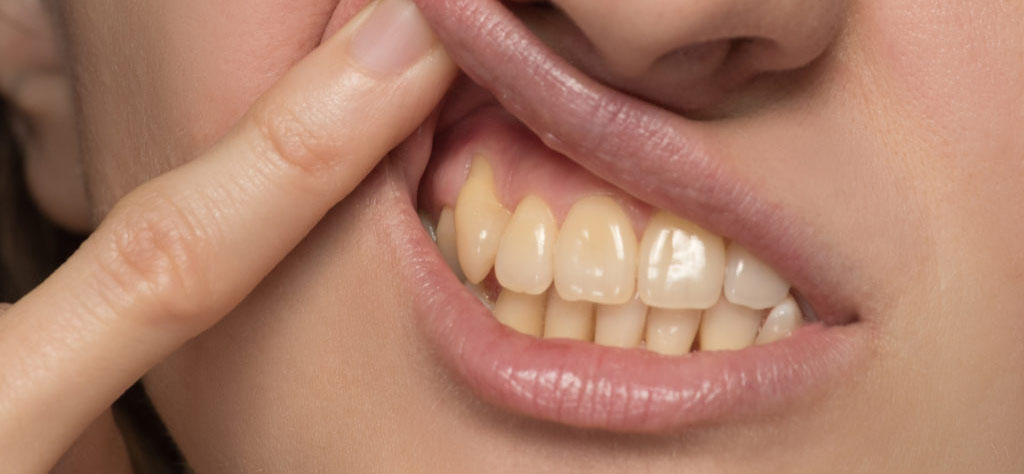



Do Teeth Whitening Strips Work?
If you’ve ever looked in the mirror and wished your teeth were a little whiter, you’ve probably seen whitening strips at the pharmacy or online. They promise a brighter smile without a dentist visit. But do teeth whitening strips work, and are they really safe for your teeth? We’ll cover how they work, how to use them correctly, safety concerns, brushing questions, and when you should see a dentist.
Table of Contents
What Are Teeth Whitening Strips?
You place the strips on your teeth for a fixed time each day, usually 10 to 30 minutes, for several days or weeks.
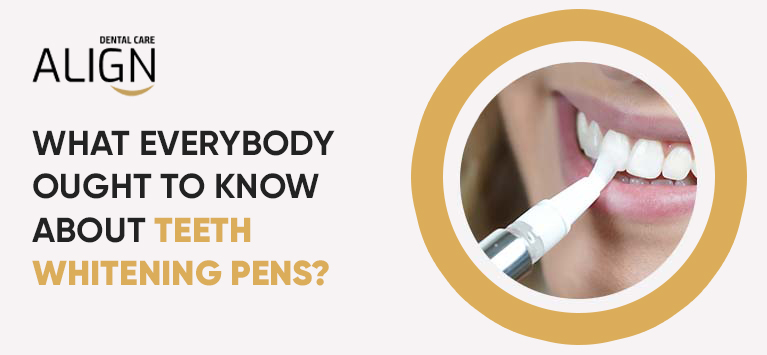
Teeth whitening strips are thin, flexible plastic strips coated with a whitening gel. The gel usually contains hydrogen peroxide or carbamide peroxide, which helps break down stains on your teeth.
Do Teeth Whitening Strips Work?
Yes, teeth whitening strips do work for many people—but results depend on a few things.
When Whitening Strips Work Well
Whitening strips work best if you have:
- Yellow stains from coffee, tea, or smoking
- Mild to moderate discoloration
- Healthy teeth and gums
Most people see results in 5–14 days, with teeth becoming 1–3 shades whiter.
When They Don’t Work Well
Whitening strips may not work if:
- Your teeth are stained due to medication or injury
- You have crowns, veneers, or fillings (they don’t whiten)
- The stains are deep or gray in color
In these cases, professional whitening from a dentist works better.
Are Teeth Whitening Strips Safe?
For most people, yes, when used correctly and as directed.
Possible Side Effects
Some people may experience:
- Temporary tooth sensitivity
- Mild gum irritation
These side effects usually go away in a few days.
Who Should Be Careful?
Avoid whitening strips or speak to a dentist first if you have:
- Gum disease or bleeding gums
- Cavities or cracked teeth
- Very sensitive teeth
- Braces or dental appliances
Are Whitening Strips Bad for Your Teeth?
When used properly, they are not bad for your teeth. Problems usually happen when:
- You use them too often
- You leave them on longer than recommended
- You use very strong strips without guidance
Overuse can weaken enamel and increase sensitivity. Always follow the instructions on the box.
How to Use Teeth Whitening Strips Correctly
Knowing how to use teeth whitening strips properly makes a big difference in results and safety.
Step-by-Step Guide
- Wash your hands
- Dry your teeth lightly with a tissue
- Place the strip carefully on your teeth
- Press gently so it sticks well
- Leave it on for the recommended time
- Remove and throw away the strip
Do not eat or drink while wearing the strips.
Do You Brush Your Teeth Before or After Whitening Strips?
Best practice is to brush your teeth before whitening strips, but wait 20–30 minutes. This avoids gum irritation and helps the strips stick better
After Whitening
- Avoid brushing immediately after
- Wait at least 30 minutes to protect your enamel
Do You Brush Your Teeth After Whitening Strips?
Let’s be very clear here because many people ask this exact question.
- Yes, you can brush your teeth after whitening strips
- But wait 30–60 minutes
Brushing too soon can damage softened enamel and increase sensitivity.
How Often Should You Use Teeth Whitening Strips?
People often think using strips more often gives faster results—but that’s not true.
Safe Usage
- Follow the instructions on the package
- Most strips are used once a day
- Treatment usually lasts 7–14 days
Using them more often can harm your teeth and gums.
Do Teeth Whitening Strips Expire?
Yes, teeth whitening strips do expire.
Why Expiry Matters
- Expired strips may not whiten effectively
- The gel can become unstable
- They may irritate gums
Always check the expiry date before use. If the strips are dry, damaged, or smell unusual, don’t use them.
What Results Can You Expect?
Whitening strips can improve your smile, but they’re not magic.
Realistic Results
- Teeth become visibly whiter in 1–2 weeks
- Results last 3–6 months, depending on habits
Drinking coffee, tea, red wine, or smoking can reduce how long results last.
Tips to Make Whitening Results Last Longer
After whitening, small habits can help maintain your smile:
- Avoid dark-colored foods for 24–48 hours
- Drink staining drinks with a straw
- Brush twice daily
- Visit your dentist regularly for cleaning
Are Whitening Strips Better Than Professional Whitening?
This depends on your needs.
Whitening Strips Are Good If:
- You want a budget-friendly option
- You have mild stains
- You prefer at-home treatment
Professional Whitening Is Better If:
- You want faster, stronger results
- You have deep stains
- You experience sensitivity easily
Our dentist can help you choose the safest option for your teeth.
Can Everyone Use Teeth Whitening Strips?
Not everyone should use whitening strips.
Avoid them if:
- You’re under 16
- You’re pregnant or breastfeeding (ask a dentist first)
- You have untreated dental problems
Always fix cavities or gum issues before whitening.
When Should You See a Dentist?
See a dentist if:
- Your teeth hurt during whitening
- You have uneven color changes
- You’re not seeing results
- You want longer-lasting whitening
A dentist can recommend safer, more effective options.
Final Thoughts: Do Teeth Whitening Strips Work?
Yes—for many people, they are a safe and effective way to brighten your smile when used correctly.
They’re best for mild stains, require patience, and should always be used as directed. If you have sensitive teeth or dental problems, talk to a dentist before starting.
A healthy smile matters more than a white one—so always put dental health first.