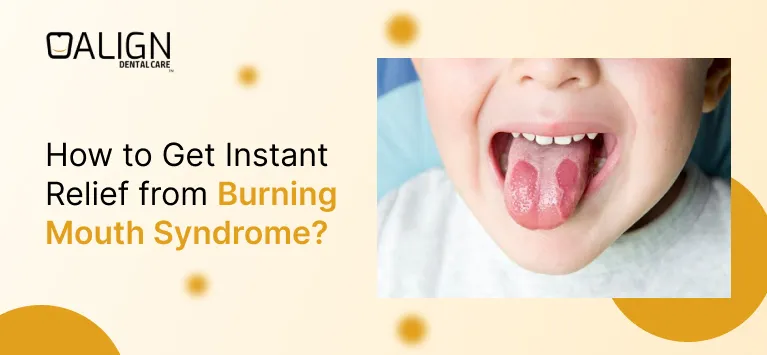
How to Get Instant Relief from Burning Mouth Syndrome?
By Dr. Nasar Abdul Wadood in Chief Doctor, Align Dental Care
April 3rd, 2025
Burning Mouth Syndrome (BMS) is a perplexing condition characterized by a persistent burning sensation in the mouth, often affecting the tongue, lips, gums, palate, or throat. This discomfort can significantly impact daily activities such as eating, speaking, and sleeping. In this blog, we will explore what BMS is, its symptoms, potential causes, treatments, home remedies, and preventive measures to help you find relief and manage this condition effectively.
What Is Burning Mouth Syndrome?
Burning Mouth Syndrome is a chronic condition that causes a burning or scalding sensation in the mouth without an apparent cause. This sensation can be continuous or intermittent and may persist for months or even years. BMS is classified into two types:
- Primary BMS: Occurs without an identifiable medical condition and is often linked to nerve dysfunction.
- Secondary BMS: Results from an underlying medical condition such as nutritional deficiencies, oral infections, or certain medications.
Burning Mouth Syndrome Symptoms
Individuals with BMS may experience:
- Burning Sensation: A feeling of scalding or burning in the mouth, particularly on the tongue, lips, gums, palate, or throat.
- Dry Mouth: A sensation of dryness despite normal saliva production.
- Altered Taste: Changes in taste perception, such as a metallic or bitter taste.
- Tingling or Numbness: Unusual sensations like tingling or numbness in the mouth.
These symptoms can vary in intensity and may be absent during sleep but worsen as the day progresses.
What Causes Burning Mouth Syndrome?
The exact cause of BMS is often difficult to determine, especially in primary BMS. However, several factors have been associated with secondary BMS, including:
- Nutritional Deficiencies: Lack of essential nutrients like iron, zinc, and B vitamins can contribute to BMS.
- Oral Conditions: Issues such as dry mouth, oral thrush, or geographic tongue.
- Hormonal Changes: Menopause and other hormonal fluctuations.
- Medications: Certain medications, including those for high blood pressure, can lead to BMS.
- Allergies: Reactions to foods, dental materials, or oral care products.
- Psychological Factors: Stress, anxiety, and depression have been linked to BMS.
- Medical Conditions: Diseases like diabetes, acid reflux, and thyroid problems.
Is Burning Mouth Syndrome Dangerous?
While BMS is not considered life-threatening, it can significantly impact the quality of life. The chronic pain and discomfort may lead to difficulties in eating, sleeping, and performing daily activities, potentially resulting in emotional distress. Therefore, seeking appropriate treatment is essential.
Burning Mouth Syndrome Treatments
Treatment for BMS focuses on alleviating symptoms and addressing any underlying causes. Options include:
- Medications: Depending on the underlying cause, doctors may prescribe medications such as:
- Alpha-Lipoic Acid: An antioxidant that may help reduce symptoms.
- Clonazepam: A medication that can help alleviate nerve pain.
- Capsaicin: Topical application may help desensitize nerve endings.
- Oral Rinses: Special mouthwashes designed to soothe the burning sensation.
- Cognitive Behavioral Therapy (CBT): To address psychological factors contributing to BMS.
It’s important to consult with a healthcare professional to determine the most appropriate treatment plan.
Burning Mouth Syndrome Home Remedies
In addition to medical treatments, several home remedies may provide relief from BMS symptoms:
- Stay Hydrated: Drink plenty of water to keep the mouth moist and alleviate dry mouth sensations.
- Avoid Irritants: Steer clear of tobacco, alcohol, spicy foods, and acidic beverages that can exacerbate symptoms.
- Maintain Good Oral Hygiene: Use a soft-bristled toothbrush and avoid toothpaste containing sodium lauryl sulfate, which can be irritating.
- Suck on Ice Chips: This can provide temporary relief by numbing the burning sensation.
- Stress Management: Practice relaxation techniques such as yoga, meditation, or deep-breathing exercises to reduce stress levels.
- Dietary Adjustments: Ensure a balanced diet rich in essential nutrients to prevent deficiencies.
- Chew Sugar-Free Gum: This can stimulate saliva production, helping to alleviate dry mouth.
- Aloe Vera Rinse: Rinsing the mouth with aloe vera juice may soothe oral tissues.
- Baking Soda Rinse: A solution of baking soda and water can help neutralize acids and soothe the mouth.
While these remedies may provide relief, they should complement, not replace, professional medical advice.
What Vitamin Deficiency Causes Burning Mouth Syndrome?
Deficiencies in certain vitamins, particularly B vitamins like B12, folate, and B2 (riboflavin), have been linked to BMS. Ensuring adequate intake of these vitamins through diet or supplements may help alleviate symptoms.
Medications That Cause Burning Mouth Syndrome
Some medications have been associated with the onset of BMS, including:
- ACE Inhibitors: Used for high blood pressure.
- Antidepressants: Certain medications that impact nerve function.
- Diuretics: May cause dry mouth, exacerbating BMS symptoms.
How Long Does Burning Mouth Syndrome Last?
The duration of BMS varies. Some individuals experience symptoms for months, while others may have persistent discomfort for years. Early diagnosis and proper treatment can improve prognosis.
How to Stop Burning Mouth Syndrome?
To manage and reduce BMS symptoms:
- Identify and treat underlying conditions.
- Follow a nutrient-rich diet.
- Avoid triggers like spicy and acidic foods.
- Stay hydrated and practice good oral hygiene.
- Manage stress and anxiety.
Conclusion
Burning Mouth Syndrome is a challenging condition that can affect daily life, but relief is possible. By understanding its causes, symptoms, and treatment options, individuals can take proactive steps to manage and reduce discomfort. If you experience persistent symptoms, consult a healthcare professional for a proper diagnosis and treatment plan.
Frequently Asked Questions
What does burning mouth syndrome feel like?
What does burning mouth syndrome feel like?
It feels like a persistent burning or scalding sensation, mainly on the tongue, lips, or palate. Some also experience tingling, dry mouth, or a metallic taste.
Is burning mouth syndrome contagious?
Is burning mouth syndrome contagious?
No, burning mouth syndrome is not contagious. It is a non-infectious condition caused by various factors, including nerve dysfunction, deficiencies, or underlying medical conditions.
What can be mistaken for burning mouth syndrome?
What can be mistaken for burning mouth syndrome?
Conditions like oral thrush, dry mouth, geographic tongue, and allergic reactions can mimic burning mouth syndrome, making proper diagnosis by a healthcare professional crucial.
What is the best toothpaste for burning mouth syndrome?
What is the best toothpaste for burning mouth syndrome?
A mild, fluoride-based toothpaste free from sodium lauryl sulfate (SLS) is recommended, as it helps avoid irritation and reduces discomfort for individuals with BMS.
What is magic mouthwash for burning mouth syndrome?
What is magic mouthwash for burning mouth syndrome?
Magic mouthwash is a prescription rinse containing a mix of anesthetics, antihistamines, and antacids that help soothe burning mouth syndrome symptoms and provide temporary relief.
Is burning mouth syndrome dangerous?
Is burning mouth syndrome dangerous?
Burning Mouth Syndrome is not life-threatening but can cause chronic pain, discomfort, and emotional distress, affecting daily activities like eating and speaking.