What Happens If You Ignore a Cavity?
Most cavities don’t start with severe pain.
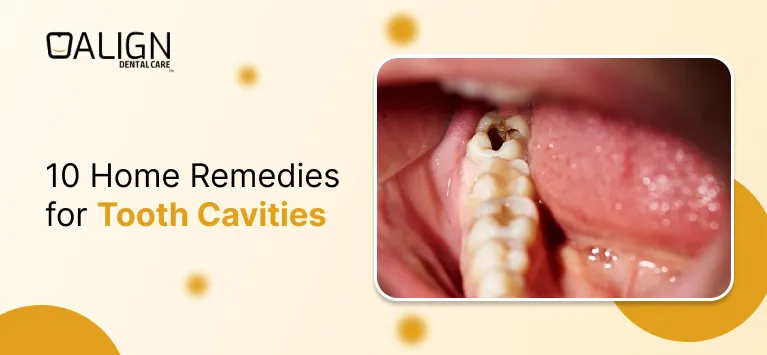
In fact, many people are surprised to learn they have a cavity because the early stages are often silent. There may be no discomfort, no visible hole, and no warning signs that something is wrong. This is one reason why cavities are so commonly ignored.
A small cavity might not seem like a big deal today, but leaving it untreated can lead to serious dental problems tomorrow. What begins as a minor area of tooth decay can eventually affect the deeper layers of your tooth, your gums, your jawbone, and even your overall health.
So what really happens when you ignore a cavity? Let’s follow the journey of untreated tooth decay and understand why early treatment matters.
Table of Contents
Stage 1: The Cavity Begins Silently
A cavity starts when bacteria in your mouth feed on sugars and produce acids that gradually weaken the outer layer of your tooth, known as enamel.
Enamel is the hardest substance in the human body, but it isn’t indestructible. Repeated acid attacks slowly create weak spots, leading to the formation of a cavity.
At this stage, you may notice:
- White or chalky spots on the tooth
- Mild sensitivity to sweets
- No pain at all
Because there are often no obvious symptoms, many people postpone dental visits and allow the decay to continue progressing unnoticed.
Stage 2: The Decay Reaches the Dentin
Under the enamel lies a softer layer called dentin.
Once the cavity breaks through the enamel, it begins spreading more quickly through the dentin. Unlike enamel, dentin contains tiny channels that connect to the tooth’s nerve.
This is usually when symptoms begin to appear, such as:
- Sensitivity to hot or cold foods
- Discomfort while eating sweets
- Occasional toothache
- Food getting trapped in the affected area
Some people rely on painkillers or simply avoid chewing on that side of the mouth. While this may temporarily reduce discomfort, it does nothing to stop the decay from spreading.
Stage 3: The Nerve Gets Involved
If the cavity remains untreated, bacteria continue moving deeper until they reach the pulp—the innermost part of the tooth containing nerves and blood vessels.
At this point, the problem becomes much more serious.
You may experience:
- Sharp or throbbing tooth pain
- Pain that wakes you up at night
- Lingering sensitivity after eating or drinking
- Pain when biting down
Many patients wait until the pain becomes unbearable before seeking treatment. Unfortunately, by this stage, a simple filling is usually no longer enough.
The tooth may require root canal treatment to remove the infected nerve and save the tooth.
Stage 4: Infection and Abscess Formation
When bacteria reach the pulp, the infection can spread beyond the tooth root and into the surrounding tissues.
This can lead to a dental abscess—a pocket of pus caused by bacterial infection.
Common symptoms include:
- Severe and persistent pain
- Swelling in the gums or face
- Bad taste in the mouth
- Fever
- Difficulty chewing
- Swollen lymph nodes
A dental abscess is not something that will heal on its own. In fact, it can become a dental emergency requiring immediate attention.
Ignoring an abscess can allow the infection to spread to nearby structures and create more serious health complications.
Stage 5: Tooth Loss Becomes a Real Possibility
One of the biggest consequences of untreated cavities is losing the tooth altogether.
As decay destroys more of the tooth structure, there may not be enough healthy tooth left to restore. In such cases, extraction becomes the only option.
Losing a tooth may seem manageable at first, especially if it’s located toward the back of the mouth. However, missing teeth can cause several long-term problems:
- Difficulty chewing certain foods
- Changes in speech
- Shifting of neighboring teeth
- Bite misalignment
- Increased stress on remaining teeth
- Reduced confidence when smiling
Replacing a missing tooth often requires treatments such as dental implants, bridges, or dentures, which are typically more costly and time-consuming than treating a cavity early.
The Hidden Financial Cost of Ignoring a Cavity
Many people delay treatment because they want to save money. Ironically, ignoring a cavity often leads to significantly higher dental expenses in the future.
Consider the progression:
- Small cavity → Simple filling
- Deeper cavity → Larger filling
- Nerve infection → Root canal treatment and crown
- Severe damage → Tooth extraction
- Missing tooth → Implant or bridge
The longer treatment is postponed, the more complex and expensive it usually becomes.
Early intervention is almost always the most affordable option.
Can an Untreated Cavity Affect Overall Health?
Yes, Your mouth is connected to the rest of your body, and oral infections should never be ignored.
Research has shown links between poor oral health and various systemic health conditions. While a cavity itself may begin as a localized problem, an untreated infection can increase inflammation and potentially impact overall well-being.
Additionally, chronic dental pain can affect:
- Sleep quality
- Nutrition
- Work productivity
- Concentration
- Mental well-being
A healthy mouth plays a larger role in overall health than many people realize.
Why Cavities Are Easier to Treat Early
One of the biggest myths about cavities is that treatment can wait until pain appears. The truth is that the best time to treat a cavity is before it hurts.
When detected early, treatment is usually:
- Faster
- Simpler
- Less invasive
- More comfortable
- More affordable
Regular dental checkups allow dentists to identify decay before major damage occurs. In many cases, small cavities can be treated in a single visit with minimal discomfort.
Warning Signs You Shouldn’t Ignore
Schedule a dental appointment if you notice any of the following:
- Tooth sensitivity
- Pain while chewing
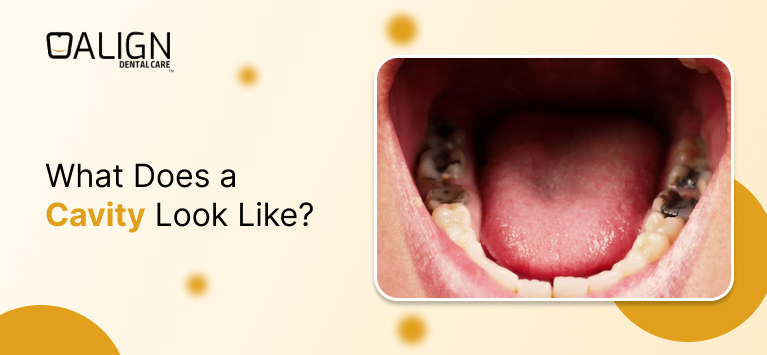
- Visible dark spots on teeth
- Food frequently getting stuck in one area
- Persistent bad breath
- Swollen gums near a tooth
- Toothache that comes and goes
Even mild symptoms can indicate underlying decay that needs attention.
Protect Your Smile Before a Small Problem Becomes a Big One
A cavity may start as a tiny spot of decay, but it doesn’t stay small forever.
Left untreated, it can progress from a painless issue to severe infection, tooth loss, costly treatments, and unnecessary discomfort. The good news is that cavities are highly treatable when caught early. If it’s been a while since your last dental checkup, don’t wait for pain to tell you something is wrong. Early diagnosis and treatment can save your tooth, your time, and your money.
Remember: the easiest cavity to treat is the one you treat today—not the one you ignore until tomorrow.
Visit Align Dental Care, Colombo, for a comprehensive dental checkup and timely treatment to keep your smile healthy and cavity-free.