


Why Are My Teeth Sensitive to Cold During Winter?
Winter mornings feel refreshing, but for many people, cold weather brings an uncomfortable problem — tooth pain. Drinking cold water, breathing in chilly air, or stepping outside early in the day can cause a sudden sharp pain in the teeth. If you experience this, you are not alone.
Many people notice their teeth sensitive to cold only during winter and wonder why it happens. This blog explains the real reasons behind winter tooth sensitivity, how cold weather affects your teeth, and what you can do to get relief
Table of Contents
Why Cold Weather Affects Teeth More in Winter
Teeth are strong, but they are not completely protected from temperature changes. During winter, the sudden drop in temperature affects both teeth and gums.
Cold air and cold food cause the teeth to slightly contract. When this happens repeatedly, especially if the teeth are already weak, the inner nerves become more reactive. This is why people feel pain more often in winter than in summer.
For many, this is the season when teeth suddenly sensitive to cold air, even if they never had the problem before.
How Healthy Teeth Protect Themselves from Cold
A healthy tooth has three layers:
- Enamel – the hard outer layer
- Dentin – the sensitive middle layer
- Nerve – the inner part
Enamel acts as a shield. When enamel is strong and gums are healthy, cold does not reach the nerve. Problems start when this natural protection becomes weak.
Common Reasons Teeth Become Sensitive in Winter
1. Enamel Becomes Thin Over Time
Enamel does not grow back. Over the years, it can wear down due to:
- Hard brushing
- Acidic foods and drinks
- Teeth grinding
- Aging
Once enamel becomes thin, cold temperature easily reaches the dentin. This leads to teeth sensitive to cold, especially during winter.
2. Gum Recession Exposes Sensitive Areas
When gums slowly pull back from the teeth, the root surface becomes exposed. Tooth roots do not have enamel, so they react quickly to cold.
Winter air and cold water can trigger pain when exposed roots come in contact with low temperatures.
3. Cold Air Directly Hits the Teeth
In winter, people often breathe through the mouth due to blocked nose or cold weather. Cold air directly touching the teeth can cause sudden pain.
This is one of the most common reasons people say their teeth suddenly sensitive to cold air during morning walks or travel.
4. Dry Mouth in Winter
During winter, many people drink less water. The mouth becomes dry, reducing saliva. Saliva helps protect teeth and neutralize acids.
Less saliva means less protection, making teeth more sensitive.
Also Read: What should you do to prevent dry mouth in winter?
5. Small Cracks in Teeth
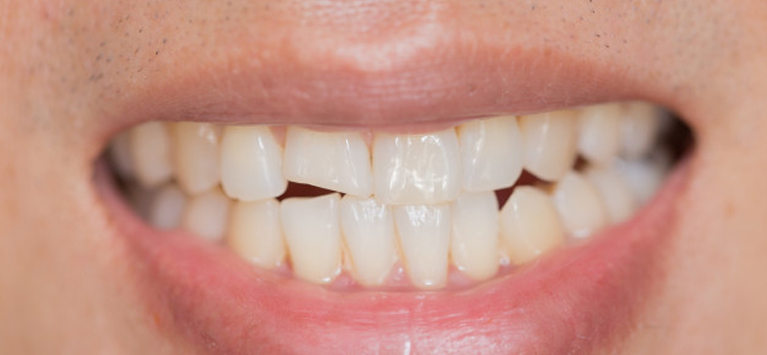
Tiny cracks may not be visible but can cause sensitivity. Cold temperatures can worsen the pain by irritating the nerve through these cracks.
Why Do My Teeth Hurt When I Have a Cold?
This is a very common question and often misunderstood.
When you have a cold, flu, or sinus infection, the sinuses around the nose and cheeks become blocked. These sinuses are located close to the roots of the upper teeth.
The pressure from blocked sinuses can cause pain that feels like a tooth problem. This pain usually:
- Affects upper back teeth
- Feels like aching or pressure
- Reduces once the cold improves
If tooth pain continues even after the cold is gone, it may be due to sensitivity or a dental issue.
Is Winter Tooth Sensitivity a Serious Problem?
In many cases, winter tooth sensitivity is mild and temporary. However, it should not be ignored if:
- Pain is sharp or severe
- One tooth hurts more than others
- Sensitivity lasts for many weeks
These could be signs of cavities, gum disease, or cracked teeth.
How to Treat Cold Sensitive Teeth
Treatment depends on what is causing the sensitivity. The good news is that most cases can be managed easily.
Use Toothpaste for Sensitive Teeth
Special toothpaste helps block pain signals from reaching the nerve. Use it regularly for a few weeks to see improvement.
Improve Brushing Habits
Use a soft toothbrush and gentle pressure. Brushing too hard damages enamel and gums.
Avoid Extreme Temperature Changes
Switching quickly between hot and cold foods increases sensitivity. Try to keep foods at moderate temperatures.
Protect Teeth from Cold Air
Cover your mouth with a scarf when stepping out in cold weather. This simple habit helps reduce discomfort.
Drink Enough Water
Staying hydrated keeps the mouth moist and reduces sensitivity.
Professional Dental Treatment
If sensitivity does not improve, a dentist may recommend:
- Fluoride application
- Dental fillings
- Treatment for gum problems
Also Read: Simple Ways to Keep Kid’s Teeth Healthy During Holidays
Can Winter Tooth Sensitivity Be Prevented?
Yes. With proper care, many people can prevent or reduce sensitivity.
Simple steps include:
- Brushing twice daily
- Avoiding acidic foods
- Regular dental check-ups
- Treating gum problems early
Prevention is always easier than treatment.
Final Thoughts
Winter can make dental problems more noticeable, especially sensitivity. If your teeth sensitive to cold, it is usually a sign that the protective layer of your teeth needs care.
Cold weather itself does not damage teeth, but it reveals underlying issues. Early attention, good oral habits, and proper treatment can bring lasting relief.
If your teeth suddenly sensitive to cold air or the pain affects daily life, a dental check-up can help identify the cause and protect your smile.