


Is Mouth Breathing Bad for Your Teeth?
Many people visit a dental clinic complaining of repeated cavities, bleeding gums, bad breath, or dry mouth. They brush well and floss regularly, yet the problems keep coming back. One hidden reason dentists often find is mouth breathing.
If you often sleep with your mouth open or breathe through your mouth during the day, it can slowly damage your oral health. This blog explains in simple words is mouth breathing bad, how to stop mouth breathing, how to stop mouth breathing at night and why dentists take this issue seriously.
Table of Contents
What Is Mouth Breathing?
Mouth breathing means breathing through the mouth instead of the nose. From a dental point of view, this is important because the mouth is not designed for constant airflow.
Healthy breathing should happen through the nose. The nose filters air, controls moisture, and protects the mouth. When breathing shifts to the mouth, the oral tissues dry out, saliva reduces, and bacteria grow more easily.
Dentists see mouth breathing not just as a habit, but as a risk factor for many oral problems.
Is Mouth Breathing Bad for Your Teeth and Gums?
Yes. From a dental perspective, mouth breathing can cause long term damage if not corrected.
Dental problems linked to mouth breathing
Dry mouth
Saliva protects teeth. Mouth breathing dries saliva, increasing cavity risk.
Tooth decay
Without saliva, acids stay longer on teeth, leading to faster decay.
Gum disease
Dry gums become irritated and inflamed more easily.
Bad breath
Bacteria multiply in a dry mouth, causing persistent odour.
Tooth sensitivity
Exposed enamel and dry surfaces increase sensitivity.
Jaw and bite issues
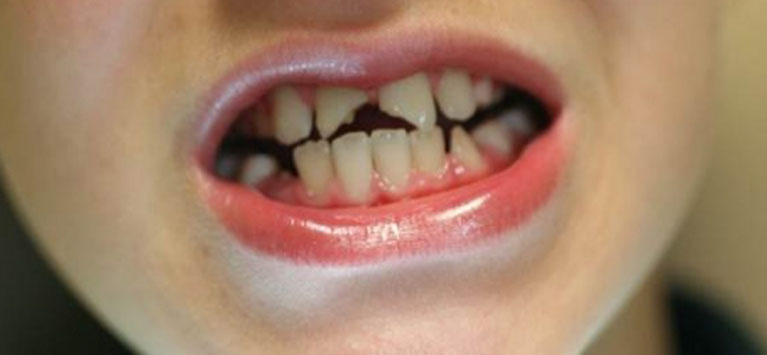
In children and some adults, mouth breathing can affect jaw position and bite alignment.
Dentists in Chennai frequently notice these patterns in patients who breathe through their mouth at night.
Why Do Dental Patients Breathe Through Their Mouth?
There are several reasons, many of which dentists and doctors work together to identify.
Common causes seen in dental clinics
Blocked nose or sinus issues
Patients with sinus problems often switch to mouth breathing.
Allergies
Dust and pollution related allergies are common and affect nasal airflow.
Improper jaw position
Small jaw or narrow airway can make nasal breathing harder.
Sleep posture
Sleeping flat on the back can worsen mouth breathing.
Habit
Some patients develop mouth breathing unknowingly over time.
Dental structure
Crowded teeth or bite problems may affect tongue position and airway space.
How Dentists Identify Mouth Breathing
A dentist does more than check teeth. During an examination, they may notice
• Dry oral tissues
• Red or swollen gums
• Increased plaque despite good brushing
• Repeated cavities in similar areas
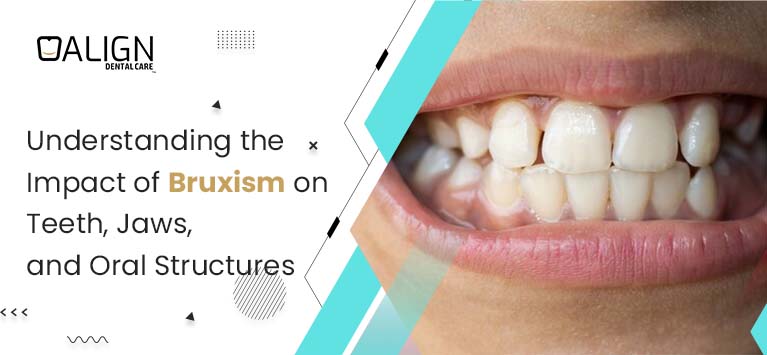
• Signs of clenching or grinding
• Jaw strain or facial muscle tension
These signs often point to breathing issues rather than poor hygiene.
How to Stop Mouth Breathing During the Day
Dentists often advise small changes that support better oral health.
Practice lip seal
Keep lips gently closed when resting.
Tongue position
Rest the tongue on the roof of the mouth, not on the floor.
Stay hydrated
Water supports saliva flow and reduces dryness.
Correct posture
Head and neck posture affect jaw and airway position.
Avoid mouth drying habits
Smoking, alcohol, and excess caffeine worsen dryness.
How to Stop Mouth Breathing at Night
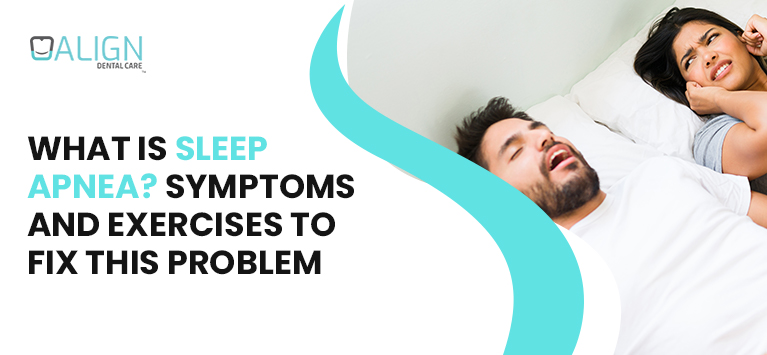
Night time mouth breathing is more harmful because it lasts longer and goes unnoticed.
Dental and lifestyle tips
Clean nasal passages before sleep
Saline sprays or steam inhalation help nasal breathing.
Sleep position
Side sleeping reduces jaw drop and mouth opening.
Bedroom environment
Use a humidifier if air conditioning dries the air.
Maintain oral hygiene
Brush, floss, and rinse before bed to reduce bacterial growth.
Address snoring early
Snoring is often linked to mouth breathing and airway narrowing.
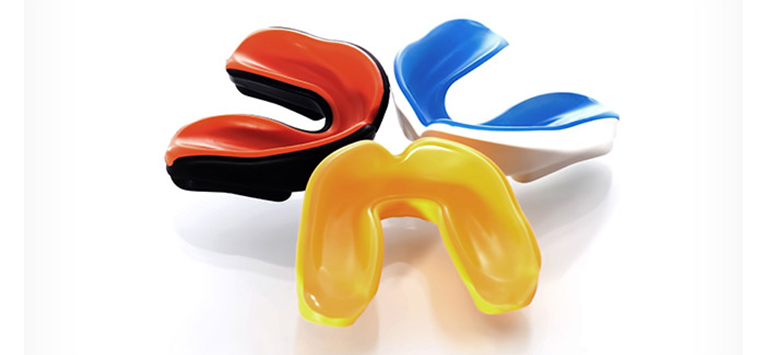
In some cases, dentists may suggest oral appliances designed to support jaw position and airway space.
Mouth Breathing and Children’s Dental Development
Dentists pay close attention to mouth breathing in children because it can affect growth.
Signs include
• Sleeping with mouth open
• Crowded or protruding teeth
• Long face appearance
• Speech issues
• Frequent dental decay
Early dental evaluation helps prevent future orthodontic and airway problems.
When Should You See a Dentist?
You should consult a dentist if
• You wake up with dry mouth daily
• You have frequent cavities despite care
• Your gums bleed or feel sore often
• Bad breath does not improve
• You or your child sleeps with mouth open regularly
Dentists can identify whether the issue is related to teeth, jaw, or airway and guide further care.
How a Dental Clinic Can Help with Mouth Breathing
Modern dental clinics do more than fillings and cleanings.
Dentists can
• Assess jaw alignment and bite
• Evaluate airway space
• Identify breathing related oral problems
• Coordinate with ENT specialists if needed
• Provide preventive guidance
In Chennai, many patients benefit from early dental involvement before problems become severe.
Simple Daily Dental Habits to Reduce Mouth Breathing
• Keep lips closed at rest
• Maintain nasal cleanliness
• Drink water frequently
• Brush twice daily and floss
• Visit your dentist regularly
• Do not ignore dry mouth
Small habits protect both breathing and oral health.
Final Thoughts
Mouth breathing is not just a breathing issue. It is closely connected to dental health, gum health, and jaw balance. Ignoring it can lead to repeated dental treatments, discomfort, and poor sleep.
The earlier mouth breathing is identified, the easier it is to manage. With proper dental guidance, lifestyle changes, and medical support when needed, most people can improve their breathing and protect their smile.
If you notice signs of mouth breathing in yourself or your child, a dental consultation is a good first step toward healthier teeth, gums, and sleep.