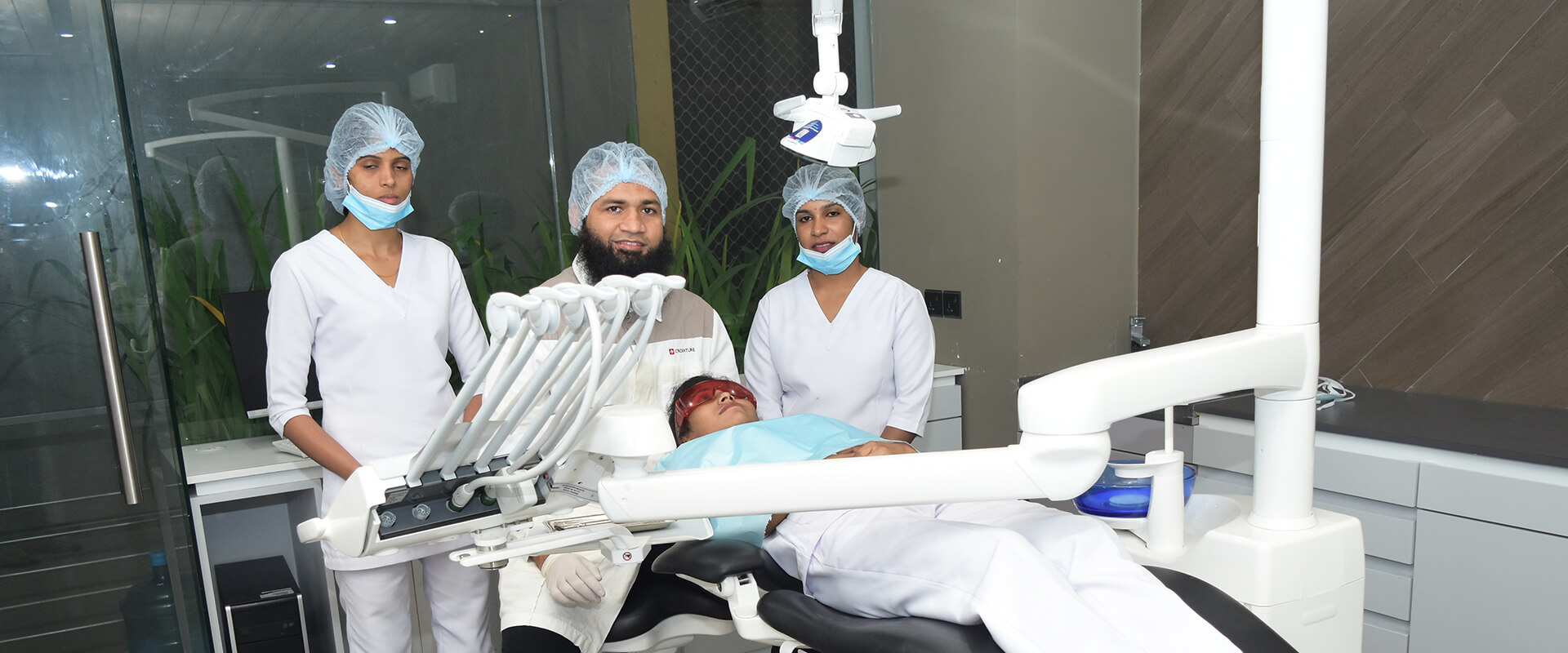
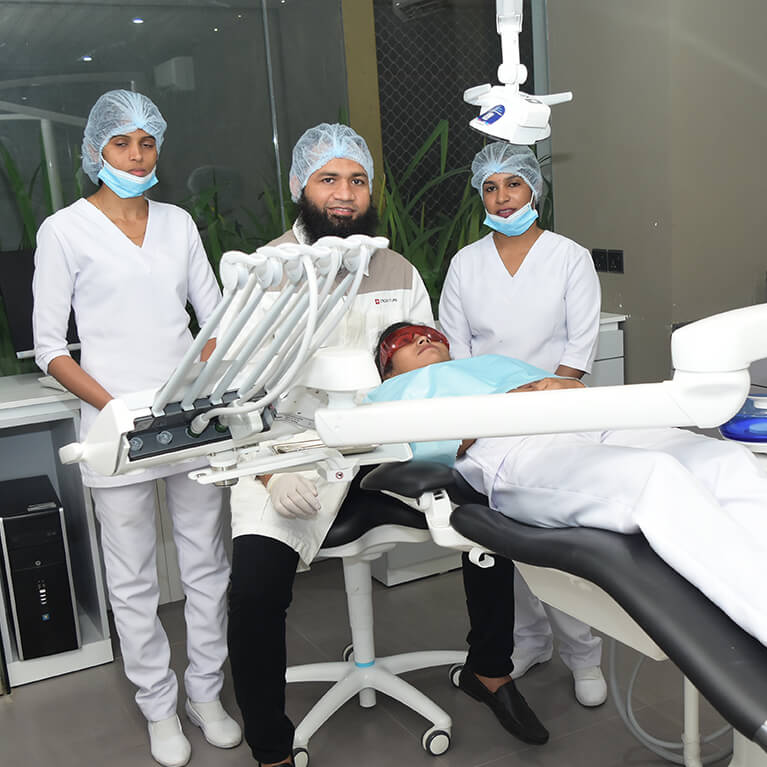
Professional teeth cleaning at Align Dental Clinic removing plaque and tartar for healthier teeth and gums.

Top Benefits of Professional Teeth Cleaning for a Healthy Smile

July 22nd,2026

Most of us brush our teeth every day and try to remember to floss, but even with a good oral care routine, it’s impossible to remove every bit of plaque and bacteria. Over time, these can build up and lead to cavities, gum disease, and bad breath. That’s why professional teeth cleaning is such an important part of maintaining a healthy smile.

A regular dental cleaning does much more than make your teeth look clean. It helps prevent future dental problems, keeps your gums healthy, and gives your dentist the chance to spot any issues early. If you’re searching for the Best dental clinic in Sri Lanka, choosing a clinic that focuses on preventive care can make all the difference. At Align Dental Clinic, we believe that a healthy smile starts with regular check-ups and professional cleanings.

Why Professional Teeth Cleaning Matters

No matter how carefully you brush, there are always areas in your mouth that are difficult to reach. Plaque can easily build up in these spots. If it isn’t removed, it hardens into tartar, which cannot be cleaned with a toothbrush at home.

Professional teeth cleaning removes both plaque and tartar safely, helping protect your teeth and gums before problems become serious.

Think of it as routine maintenance for your smile—just like servicing your car before it develops major issues.

1. Keeps Your Teeth Free from Plaque and Tartar

Plaque is a sticky layer of bacteria that forms on your teeth every day. When left untreated, it turns into tartar, which increases your risk of cavities and gum disease.

During a professional cleaning, your dentist removes these deposits using special instruments that clean your teeth without damaging them. This leaves your mouth feeling fresh and much cleaner than brushing alone.

2. Helps Prevent Gum Disease

Healthy gums are just as important as healthy teeth. Gum disease often begins with swollen or bleeding gums, but many people don’t notice the early signs.

Regular teeth cleaning removes bacteria hiding around the gum line before it causes infection. This simple step can prevent gingivitis from progressing into more serious periodontal disease, which may eventually lead to tooth loss.

3. Gives You Fresher Breath

Bad breath isn’t always caused by the food you eat. Often, it’s the result of bacteria trapped between your teeth and under your gums.

Professional cleaning removes these bacteria and helps eliminate the source of unpleasant odours. Many patients notice their mouth feels fresher immediately after their appointment.

4. Makes Your Smile Brighter

Coffee, tea, soft drinks, and certain foods can stain your teeth over time. While professional cleaning isn’t the same as teeth whitening, it removes many surface stains and restores your teeth’s natural shine.

It’s one of the quickest ways to refresh your smile without cosmetic treatment.

5. Finds Problems Before They Get Worse

One of the biggest benefits of visiting your dentist regularly is early detection.

During your cleaning appointment, your dentist checks for signs of:

  • Tooth decay
  • Gum disease
  • Cracked or damaged teeth
  • Oral infections
  • Early signs of oral cancer

Finding these issues early usually means simpler and less expensive treatment.

6. Helps You Keep Your Natural Teeth Longer

Most adults don’t lose teeth because of cavities—they lose them because of advanced gum disease.

Keeping your gums healthy through regular cleanings helps protect the bone that supports your teeth. This greatly reduces the chances of loose teeth and tooth loss later in life.

7. Supports Your Overall Health

Your oral health is closely connected to your general health. Studies have shown that poor oral hygiene may increase the risk of conditions such as heart disease, diabetes, and certain respiratory infections.

Looking after your teeth isn’t only about having a nice smile. It’s also an important part of taking care of your whole body.

8. Saves You Money in the Future

Preventive care is almost always less expensive than treating major dental problems.

A routine cleaning every six months can help you avoid costly procedures like root canal treatment, gum surgery, or tooth replacement. Spending a little time on prevention today can save you both money and discomfort in the future.

What Happens During a Teeth Cleaning Appointment?

If you’ve never had a professional cleaning before, there’s nothing to worry about.

Your appointment usually begins with a quick examination of your teeth and gums. The dentist or hygienist then gently removes plaque and tartar using specialised dental instruments. After that, your teeth are polished to remove surface stains and leave them feeling smooth and clean.

If needed, your dentist may also recommend a fluoride treatment to strengthen your teeth. The entire visit usually takes around 30 to 45 minutes.

How Often Should You Have Your Teeth Cleaned?

For most people, having a professional cleaning every six months is enough.

However, if you have gum disease, wear braces, smoke, or have certain medical conditions, your dentist may recommend more frequent visits to keep your mouth healthy.

Following your dentist’s advice helps prevent problems before they become serious.

Simple Tips to Keep Your Smile Healthy

Professional cleaning works best when combined with good daily habits.

Here are a few simple things you can do:

  • Brush your teeth twice a day using fluoride toothpaste.
  • Floss once a day.
  • Drink plenty of water.
  • Limit sugary snacks and drinks.
  • Avoid smoking or chewing tobacco.
  • Replace your toothbrush every three months.
  • Visit your dentist regularly for check-ups.

These small habits can make a big difference in your long-term oral health.

Why Choose Align Dental Clinic?

When looking for the Best dental clinic in Sri Lanka, experience, quality care, and patient comfort all matter.

At Align Dental Clinic, we understand that every patient is different. Our friendly team takes the time to listen to your concerns, explain every treatment clearly, and provide personalised dental care in a comfortable environment.

Whether you need a routine cleaning, cosmetic dentistry, dental implants, orthodontic treatment, or a complete smile makeover, we’re here to help you achieve the healthy smile you deserve.

Ready for a Cleaner, Healthier Smile?

Professional teeth cleaning is one of the easiest ways to protect your oral health. It keeps your teeth clean, your gums healthy, and allows your dentist to catch small problems before they become bigger ones.

If it’s been more than six months since your last dental visit, now is the perfect time to take the next step. Visit Align Dental Clinic, the Best dental clinic in Sri Lanka, and let our experienced dental team help you maintain a healthy, confident smile for years to come.

10 Warning Signs You Need to See a Dentist Immediately

10 Warning Signs You Need to See a Dentist Immediately

May 6th,2026

Most of us are guilty of ignoring minor dental issues. A little tooth pain, slight gum bleeding, or occasional sensitivity often gets brushed off as “not serious.” With busy schedules and daily responsibilities, visiting the dentist usually falls to the bottom of the list—until the discomfort becomes impossible to ignore.

But here’s the truth: your mouth always gives warning signs before a problem becomes severe. These early signals are your body’s way of alerting you that something needs attention. Ignoring them may not seem like a big deal at first, but over time, small issues can develop into serious dental conditions that require complex treatment.

Delaying dental care might feel convenient now, but it can lead to bigger problems later—more pain, longer treatment time, and higher costs. So, how do you know when it’s time to stop waiting and visit a dentist immediately?

Let’s take a closer look at 10 dental warning signs you shouldn’t ignore. 

1. Persistent or Severe Tooth Pain

Tooth pain is one of the most common and obvious signs that something is wrong. While mild discomfort may come and go, pain that lingers or becomes intense is a clear warning.

This type of pain may indicate deep tooth decay, infection, or nerve damage. In some cases, it could even signal an abscess forming beneath the tooth.

Common Signs :

  • Pain lasting more than 1–2 days
  • Sharp pain while chewing or biting
  • Pain spreading to jaw, ear, or head
  • Possible causes: cavities, infection, nerve damage

2. Bleeding or Swollen Gums

If you notice bleeding while brushing or flossing, don’t ignore it. Healthy gums should not bleed. This is often an early sign of gum disease, also known as gingivitis.

If left untreated, gum disease can progress into periodontitis, which can damage the bone supporting your teeth.

Impact on Daily Life: 

  • Bleeding during brushing or flossing
  • Red, swollen, or tender gums
  • Receding gum line
  • Risk of advanced gum disease

3. Sudden Tooth Sensitivity

Sudden sensitivity to hot, cold, or sweet foods is another common warning sign. It usually indicates that the protective enamel on your teeth is wearing down.

When enamel is weakened, the inner layers of the tooth become exposed, leading to discomfort.

Signs to Watch For:

  • Pain or discomfort when consuming hot or cold drinks, especially sudden or sharp sensations
  • Increased sensitivity to sweets, causing brief but noticeable tooth pain
  • Often caused by enamel wear, cavities, or gum recession exposing inner tooth layers
  • If ignored, the sensitivity can worsen and may lead to more serious dental issues requiring treatment

4. Persistent Bad Breath

Bad breath after eating certain foods is normal. However, if it continues even after brushing and flossing, it could signal an underlying problem.

Chronic bad breath, also known as halitosis, is often caused by bacteria buildup, gum infections, or tooth decay.

Common Signs:

  • Bad breath that doesn’t go away
  • Caused by bacteria or infections
  • Linked to poor oral hygiene or gum disease
  • Needs professional cleaning

5. Loose or Shifting Teeth

As an adult, your teeth should remain stable and firmly in place. If you notice any looseness or shifting, it’s a serious warning sign. This could be due to bone loss, gum disease, or injury.

Key Points:

  • Teeth feel loose or unstable
  • Gaps forming between teeth
  • Caused by bone loss or gum disease
  • Can lead to tooth loss

6. Swelling or Pus Around the Gums

Swelling in the gums, face, or jaw—especially when accompanied by pus—is a sign of infection. This condition is often referred to as a dental abscess.

An abscess can spread quickly if not treated and may lead to severe complications.

Clinical Signs:

  • Swollen gums or face
  • Presence of pus or gum boils
  • Severe pain or fever
  • Requires immediate dental care

7. Jaw Pain or Difficulty Opening Your Mouth

Jaw pain or stiffness can affect your ability to eat, speak, or even yawn comfortably. This may be related to a temporomandibular joint (TMJ) disorder.

Ignoring this issue can lead to chronic discomfort over time.

How It Can Affect You:

  • Clicking or popping sounds
  • Difficulty opening or closing mouth
  • Headaches or facial pain
  • Possible TMJ disorder

8. Broken, Chipped, or Cracked Teeth

Even if a chipped or cracked tooth doesn’t hurt immediately, it should not be ignored. Damage to the tooth can expose its inner layers, making it vulnerable to infection.

Early treatment can prevent further damage and help save the tooth.

Key Points:

  • Visible cracks or chips
  • Increased sensitivity
  • Risk of infection
  • Needs prompt treatment

9. Constant Dry Mouth

Saliva plays a vital role in keeping your mouth clean and healthy. It helps wash away food particles and neutralize harmful acids.

A constant dry mouth can increase the risk of cavities and gum disease.

Common Signs :

  • Dry or sticky feeling in the mouth
  • Caused by medications or dehydration
  • Leads to bad breath and decay
  • Needs evaluation

10. Sores or Ulcers That Don’t Heal

Mouth ulcers are common and usually heal within a week or two. However, if they persist longer, they may require attention.

Persistent sores could indicate underlying health concerns.

Warning Signs: :

  • Ulcers lasting more than 2 weeks
  • White or red patches
  • Unusual lumps
  • Needs professional checkup

Why Early Action Matters

One of the biggest mistakes people make is waiting until the pain becomes severe. By that time, a minor issue could turn into a major dental problem requiring complex procedures like root canal treatment or tooth extraction.

Early dental visits help detect problems at an early stage, making treatment simpler and more effective. It also reduces discomfort and saves both time and money in the long run.

What Early Action Can Do:

  • Early detection prevents complications
  • Reduces treatment cost and time
  • Helps maintain natural teeth
  • Improves overall oral health

Don’t Ignore the Signs

Your mouth is constantly communicating with you. Whether it’s a small discomfort or a noticeable change, these warning signs are there for a reason. Ignoring them can lead to serious dental problems that affect not just your oral health, but your overall well-being. On the other hand, taking timely action can help you avoid pain, prevent complications, and maintain a healthy smile.

Regular dental checkups, proper oral hygiene, and awareness of these warning signs are key to long-term dental health. Don’t wait for the pain to get worse—because when it comes to dental care, acting early always makes a difference.

If you’re noticing any of these signs, it’s time to take action. Visit Align Dental Care in Sri Lanka for expert diagnosis and personalized treatment. Book your appointment today and keep your smile healthy and confident.


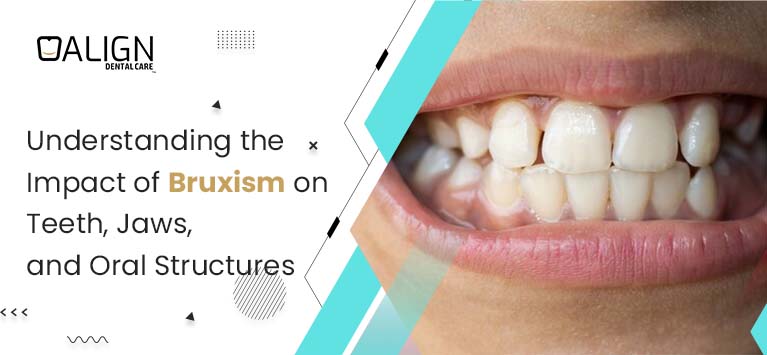
Understanding the Impact of Bruxism on Teeth, Jaws, and Oral Structures

Understanding the Impact of Bruxism on Teeth, Jaws, and Oral Structures

September 21st,2023

Bruxism is generally defined as strong clenching (clenching) and small movements (grinding) between the upper and lower teeth. During these movements, the extremely powerful forces of the masticatory muscles can be exerted separately from the chewing function itself.

Thus, such exposure can create problems with teeth, such as the appearance of pits in the enamel near the gums, increased tooth sensitivity, tooth mobility, pain when biting, and problems with the jaw joint. Researchers who have been studying bruxism for a long time have been discussing the topic of mental stress and emotional disorders. It is also discussed that aggression may be the reason why there is a significant weakening of certain brain structures in the production of norepinephrine and the formation of stomach ulcers in experimental animals.

The concept of stress management is based on the psychological background of which bruxism is a manifestation and the benefits related to the activity of the masticatory muscles in relieving stress-related symptoms such as stomach ulcers. Clenching and moving (clenching teeth) during bruxism is an emergency response during periods of mental distress in people to cope with stress.

Forms of bruxism

There are two forms of bruxism:

  • Daytime (bruxomania)teeth grinding, jaw misalignment, thumb sucking, and lip biting.
  • Night – a more severe form that has a strong negative effect on enamel, stimulates tooth wear, and increases the load and general tension of the jaw. This disease can and must be fought. There is a special Botox that is injected into the jaw and normalizes its functioning.

Causes of bruxism

Bruxism is a complex condition with a variety of potential causes:

  • prolonged stress and nervous tension
  • malocclusion
  • dysfunction of the autonomic nervous system
  • inflammation of the facial nerve
  • incorrect orthodontic treatment on braces
  • side effects of psychotropic drugs and antidepressants
  • Neurological or endocrine disorders: Parkinson’s disease, Raynaud’s syndrome, hyperthyroidism
  • hereditary predisposition
  • Teething in children
  • A man with bruxism

Bruxism symptoms

Recognizing the signs and symptoms of bruxism can be the first step toward effective management. Symptoms may include :

  • creaking, chattering, or grinding of teeth at night
  • pain in the jaws, face, and neck, and headaches
  • increased sensitivity of teeth
  • weakening and erasing of teeth
  • damage to tooth enamel, the appearance of cracks and caries
  • pain when opening the mouth
  • pain in the tongue, palate, or mucous membrane of the cheeks
  • Insomnia, anxiety, depression, and fatigue due to poor sleep and prolonged pain

The Impact Of Bruxism On Teeth, Jaws, And Oral Health

Long-term effects of bruxism

Untreated bruxism can have major long-term consequences, including considerable damage to the oral cavity. Constant grinding erodes dental enamel, resulting in increased tooth sensitivity, irreversible tooth damage, and even tooth loss. Excessive pressure on the jaw muscles and joints can develop temporomandibular joint (TMJ) disorder, which causes discomfort and dysfunction in the jaw joint and the muscles that regulate jaw movement. Untreated bruxism can cause changes in face structure and appearance over time owing to persistent muscular stress in extreme instances.

Bruxism and dental damage

Bruxism is one of the primary causes of dental injury. Grinding can cause tooth loss, fractures, and even loosening of teeth due to the high pressure and friction. Excessive stresses can potentially harm or displace dental restorations such as crowns, bridges, implants, and fillings. It is vital to remember that this sort of damage jeopardizes not only the look of the teeth but also their functionality, perhaps making chewing and speaking more difficult. Furthermore, repair is sometimes complex and costly, stressing the need for early detection and management of bruxism.

Bruxism and systemic health

Bruxism can lead to a variety of greater health concerns in addition to oral health. Notably, it is a risk factor for temporomandibular joint (TMJ) problems, which can cause substantial discomfort and impaired jaw function. Another typical side effect of bruxism is sleep disturbance, which can cause exhaustion, cognitive issues, and an increased risk of various health diseases such as cardiovascular disease and diabetes. Furthermore, the prolonged tension and pain associated with bruxism can have a severe impact on mental health, resulting in greater stress and a lower overall quality of life.

Diagnosis of bruxism

There are several methods for diagnosing bruxism:

  • Clinical examination: On examination, the doctor may see worn, broken, or cracked teeth, enlarged masticatory muscles, and other changes in the dentoalveolar system.
  • Electromyography: This allows you to measure the activity of the masticatory muscles. This method helps to understand if you have bruxism and determine its severity.
  • Radiography: Used to identify structural changes in the dental system due to bruxism.
  • CT scan: Used to obtain more detailed information about the structure of the dental system and identify its changes.

Treatment of bruxism in Dentistry

Treatment of bruxism depends on its cause and includes different approaches:

  • Bite correction: If bruxism is caused by a malocclusion, the doctor will perform orthodontic treatment using braces or other orthodontic devices.
  • Use of removable night splints: For bruxism due to stress or sleep disturbance, removable splints are helpful to protect the teeth and relieve muscle tension.
  • Use of medications: Muscle relaxants, antidepressants, and anxiety medications can help relieve muscle tension and reduce bruxism.
  • Physiotherapy: Helps strengthen facial muscles, reduce pain, and relieve tension.
  • Surgical intervention: In some cases, such as violation of the function of the TMJ, surgery may be required.

Prevention of bruxism

To prevent bruxism, it is recommended:

  • avoid stress;
  • Do not drink alcohol or drugs because they worsen the condition of the nervous system;
  • Consult a doctor if you have problems with the dental system, neurological or endocrine diseases;
  • Treat your teeth in a timely manner and correct your bite.

If you notice symptoms of bruxism, consult a doctor immediately. Timely treatment will help to avoid complications and maintain healthy teeth.

To summarize

Bruxism is a complicated sleep problem that can have serious effects on dental health and general well-being. It is critical to recognize its indications and symptoms, such as teeth grinding, jaw discomfort, and dental damage, in order to intervene early. If left untreated, bruxism can cause long-term dental problems such as tooth sensitivity and TMJ difficulties, as well as systemic health issues and a lower quality of life. Depending on the reason, many diagnostic procedures and therapy options are available. Stress management and getting expert treatment when symptoms occur are part of the prevention process. Remember that prompt action is essential for maintaining healthy teeth and a pain-free lifestyle.


How are ceramic braces better than metal braces?

January 24th,2023

Metal and ceramic braces are comparable to each other, however, the brackets and wires used in ceramic braces are transparent or tooth-colored as compared to gray or metallic silver.

Many people choose ceramic braces because they are less noticeable on the teeth than metal braces. Both types of braces take the same amount of time to correct the teeth issues. The only difference between these two appliances is one is made of metal and the other is made of ceramic.

These ceramic braces can be a significant advantage if you are thinking about getting braces and don’t want to feel self-conscious about them.

(more…)

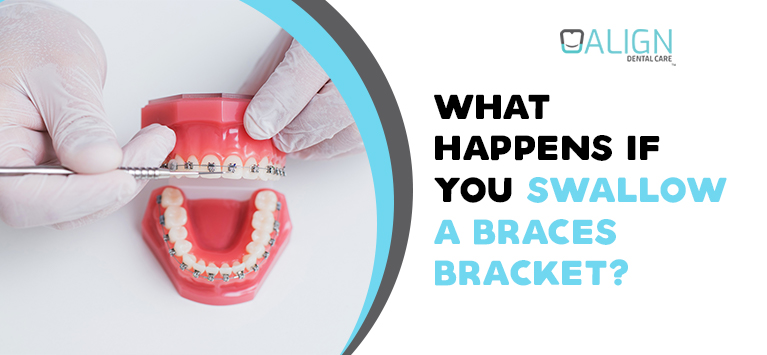
What happens if you swallow a braces bracket?

October 17th,2022

The small metal squares attached to the teeth while putting metal braces are called orthodontic brackets. The brackets are obligated to control teeth movement. The metal fittings should not be removed until the teeth-straightening procedure is finished since the archwire of a brace passes through them. You would be aware of this if you already wore metal braces.

On rare occasions, some brace wearers swallow the metal brackets accidentally. Even though it is uncommon, it occurs. We have seen some patients who were frightened severely after gulping the orthodontic brackets mistakenly.

Fortunately, it is not bothersome as many people think. Our dentists have written this blog post to reveal what will happen once the metal square falls into our stomachs.

(more…)

All You Need to Know About Forsus Springs

All You Need to Know About Forsus Springs: Uses, Treatment & Maintenance

August 30th,2022

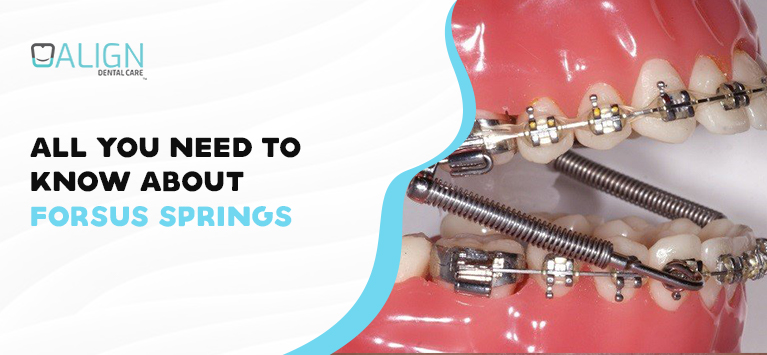
Not often do we come across people with the perfect set of teeth and yes, that flawless smile. But the advancement in dental fields has paved the way for crafting the perfect set of teeth and smiles. And for those with an overbite, you might have come across your dentist suggesting you opt for Forsus Springs.

So what exactly does that mean? A Forsus Spring is a dental appliance fixed with a spring to the lower and upper jaw. The idea is to push the upper teeth backward while seamlessly pulling the lower teeth forward to resolve the overbite.

(more…)

What is meant by dental space maintainer

What is meant by dental space maintainer?

October 22nd,2021

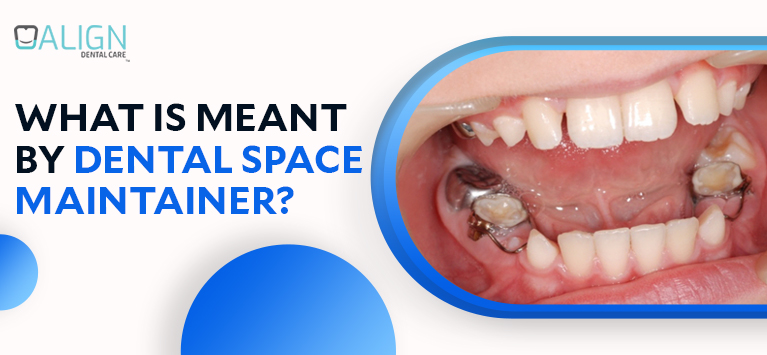
The baby teeth should stay in their places until the permanent teeth push out the milk teeth and hold their distinct places. Usually, this process takes place when an individual is 5 or 6 years old. It means milk teeth should need proper care even though they tend to fall out.

If a baby tooth comes out before than expected, some supplementary activities are indispensable to preserve the space left by the missing tooth. This is because the bone under the lost tooth begins to dwindle which makes the permanent teeth grow at abnormal positions, become misaligned or overcrowded.

(more…)

What are the possible risks of at-home teeth straightening kits?

What are the possible risks of at-home teeth straightening kits?

August 30th,2021

Nowadays, many people are interested in getting DIY braces, teeth-straightening at-home kits. They forget that closing gaps between teeth, revamping the dentition are the domains of orthodontists and should be performed with dental supervision. We have witnessed eliminating such dental supervision in teeth straightening activities made many cases gone wrong.

For instance, many self-treated teeth-straightening cases end up in damaging effects like loose teeth, broken teeth, etc.

(more…)

What everyone should know about teeth whitening after braces

What everyone should know about teeth whitening after braces?

August 9th,2021

Orthodontic patients undergo various hardships to streamline their crooked teeth and beautify their smiles. Despite the braces treatments enhance your smile aesthetics, your teeth are not bright when the treatment ends. Don’t think that wearing braces will discolor your pearly white teeth. The teeth would get stains around the regions where the brackets and wires had been. Luckily, you have various dental bleaching solutions to get rid of those discolorations.

(more…)